Waterproofing Basements in Older Homes
People seeking to waterproof basements in older homes aim to prevent leaks and moisture issues, with local contractors ready to provide expert solutions.
Homeowners with older properties often face unique challenges when it comes to maintaining a dry, stable basement. If your older home has experienced signs of moisture, water intrusion, or basement dampness, you’re in the right place to explore practical solutions. Understanding the importance of proper waterproofing can help protect your property’s foundation, prevent mold growth, and preserve the integrity of your living space. Local contractors specializing in basement waterproofing services have the experience to assess these older structures and recommend effective methods tailored to their specific needs.
Exploring waterproofing options for older homes can be a smart step toward safeguarding your investment. Many property owners in the area turn to experienced service providers who understand the common issues faced by aging foundations and basement walls. These local experts can help identify potential problem areas and implement solutions that keep basements dry and structurally sound. Keep reading to learn more about the benefits of waterproofing basements in older homes and how local contractors can assist in achieving a long-lasting, dry basement environment.
- Basement waterproofing in older homes - homeowners noticing persistent dampness or water intrusion may seek local contractors to assess and implement effective waterproofing solutions.
- Foundation sealing and repair - when cracks or deterioration threaten the basement's integrity, local service providers can apply sealing methods to prevent future water issues.
- Interior drainage system installation - older homes prone to basement flooding benefit from local pros installing drainage systems that redirect water away from the foundation.
- Exterior waterproofing measures - if surface water is seeping through foundation walls, local contractors can improve drainage and apply protective coatings to keep basements dry.
- Waterproofing membrane application - for homes with ongoing moisture problems, local service providers can install waterproof membranes to create a barrier against water penetration.
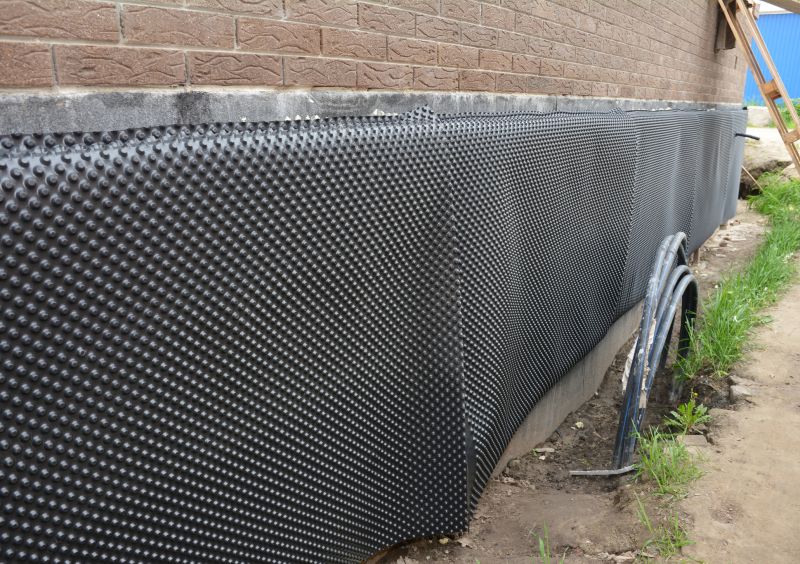
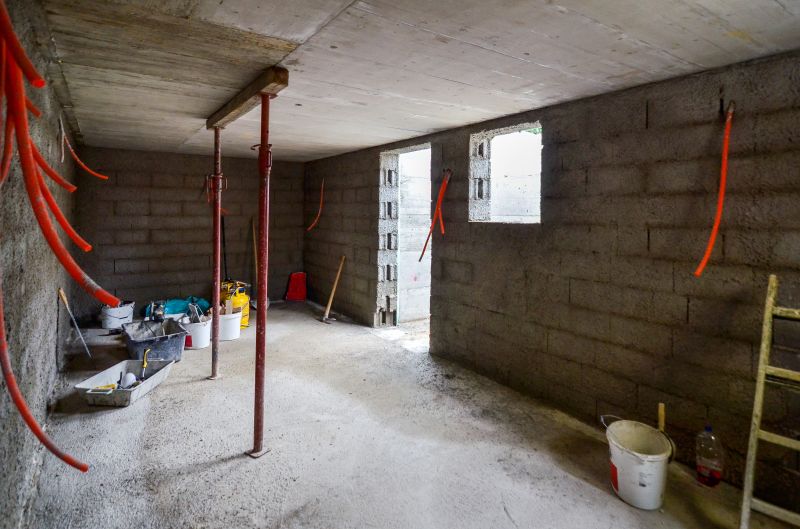
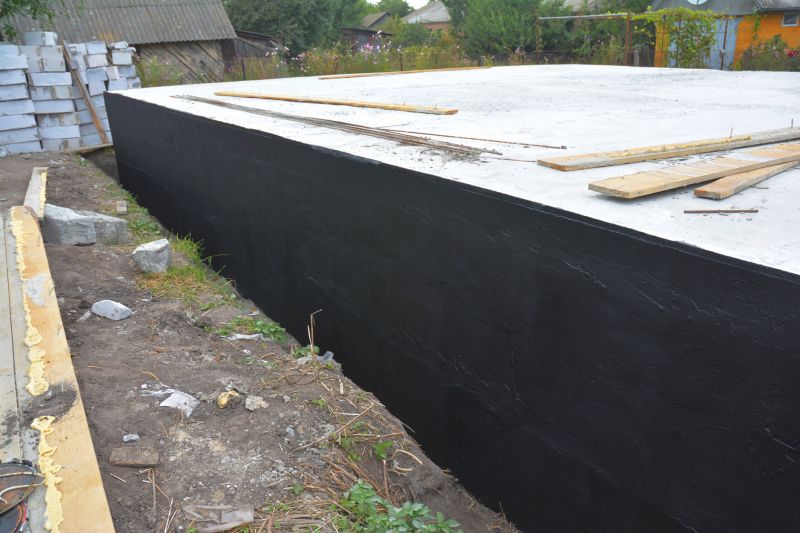
When people search for waterproofing basements in older homes, they are often looking for solutions to longstanding issues with moisture, leaks, or dampness that have developed over time. Many older properties were built with materials and methods that are no longer standard, making them more susceptible to water intrusion. Homeowners may notice signs like musty smells, peeling paint, or visible water stains, prompting concerns about potential damage and mold growth. This search often reflects a desire to protect the structural integrity of the home, improve indoor air quality, and prevent future water-related problems.
Waterproofing basements in older homes typically relates to addressing existing water infiltration problems or preventing them from occurring in the future. These projects can involve a variety of approaches, such as sealing foundation cracks, installing drainage systems, or applying waterproof coatings to basement walls. Many homeowners are also interested in solutions that improve drainage around the property or that reinforce aging foundation walls. The goal is to create a dry, stable environment that safeguards the home’s foundation and interior spaces, especially in areas prone to heavy rainfall, snowmelt, or high water tables.
The types of properties that come up in searches for waterproofing basements in older homes often include historic or vintage houses, some built over a century ago. These homes may have stone or brick foundations, which can be more challenging to waterproof effectively compared to modern poured concrete. Many of these properties are located in areas with older infrastructure, where water management systems may be outdated or insufficient. Homeowners of these older homes frequently seek experienced service providers who understand the unique challenges posed by vintage construction and can recommend appropriate waterproofing solutions tailored to their property’s age and condition.
Local contractors who handle basement waterproofing in older homes play a vital role in assessing each property’s specific needs. They evaluate the foundation, identify sources of water intrusion, and recommend practical solutions to keep basements dry. These professionals often have experience working with historic structures and know how to implement waterproofing techniques that preserve the integrity of older materials while providing effective moisture control. Connecting with qualified service providers ensures that homeowners receive tailored advice and quality workmanship, helping to protect their investment and maintain the home’s value over time.
Foundation Repair - foundation repair projects often involve assessing and stabilizing basement structures, requiring similar skills and planning as waterproofing older homes’ basements.
Interior Drainage Systems - installing interior drainage solutions involves managing water intrusion and moisture control, closely related to waterproofing techniques used in older homes.
Basement Wall Sealing - sealing basement walls to prevent water seepage shares techniques and material knowledge with waterproofing basement systems in older properties.
Crawl Space Waterproofing - waterproofing crawl spaces involves moisture barrier installation and drainage management, similar to basement waterproofing in older homes.
Concrete Waterproof Coatings - applying waterproof coatings to concrete surfaces requires similar surface prep and sealing skills used in basement waterproofing projects.
Water Damage Restoration - restoring areas affected by water intrusion involves understanding moisture mitigation, which complements waterproofing efforts in older homes’ basements.
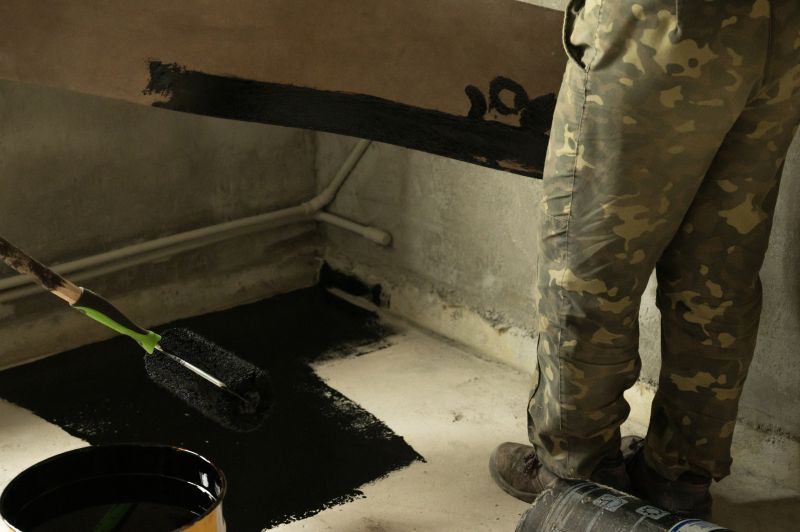
When evaluating service providers for waterproofing basements in older homes, it is important to consider their experience with similar projects. Older homes often present unique challenges, such as outdated foundation materials or existing structural issues, which require specialized knowledge and techniques. Service providers with a history of successfully completing basement waterproofing in homes of comparable age and construction can offer insights into potential problems and effective solutions, helping homeowners make informed decisions and avoid costly mistakes.
Clear written expectations are essential when comparing local contractors for basement waterproofing services. A detailed scope of work should outline what the project will entail, including any necessary repairs, waterproofing methods, and the materials to be used. Having this information in writing helps ensure that both parties share the same understanding of the work to be performed, reducing the risk of misunderstandings or unmet expectations. It also provides a basis for evaluating bids and selecting a contractor who aligns with the homeowner’s needs and preferences.
Reputable references and strong communication are key factors in choosing the right service provider. Homeowners should seek out local contractors who can provide examples of completed projects similar to theirs and offer contact information for previous clients. This allows for firsthand feedback on the quality of work and professionalism. Additionally, good communication throughout the process-such as prompt responses to questions and clarity about project timelines-can lead to a smoother experience and greater confidence in the contractor’s ability to handle the complexities of waterproofing basements in older homes effectively.
Property owners often search for waterproofing basements in older homes when they are planning practical projects around their homes and businesses. Local pros provide Basement Waterproofing services for everyday jobs and straightforward project options.
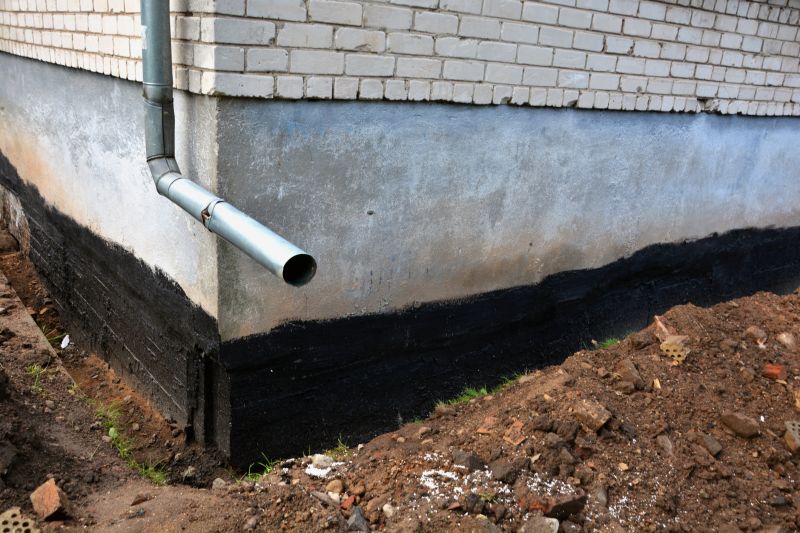
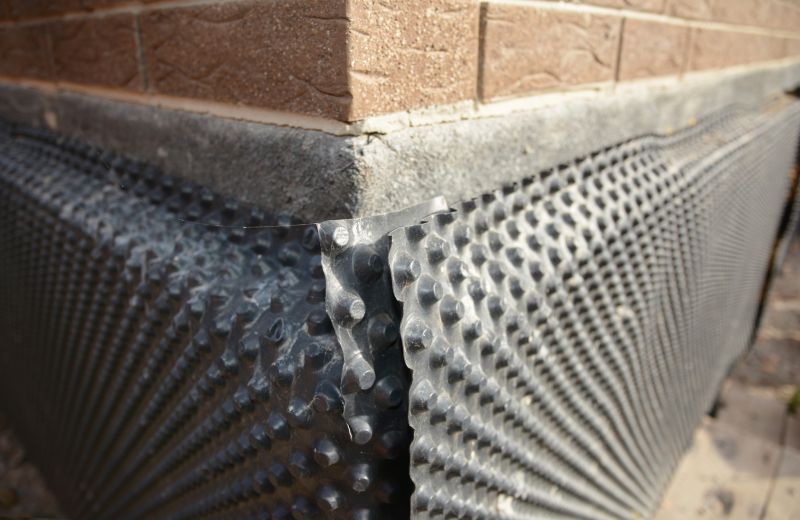
Homeowners in older properties often encounter moisture issues in their basements, especially after heavy rains or seasonal changes. These situations can lead to concerns about dampness, mold growth, or water seepage that might damage stored belongings or compromise the home's foundation. Property owners searching for solutions may look into basement waterproofing services offered by local contractors who specialize in older homes, aiming to protect their investment and improve living conditions.
Many people consider waterproofing basements in older homes when they notice signs like wet walls, musty odors, or water stains. These issues often prompt property owners to explore options for preventing future water intrusion and maintaining a dry, stable basement environment. Local service providers experienced in waterproofing can assess the unique needs of older structures and recommend appropriate solutions to help keep basements dry and functional over time.
What are common waterproofing methods for older home basements? Local contractors often use interior sealants, exterior drainage improvements, and sump pump installations to address basement waterproofing in older homes.
Can waterproofing solutions be effective in basements with existing cracks? Yes, experienced service providers can seal cracks and install drainage systems to prevent water intrusion in older basement structures.
Are there specific considerations for waterproofing in older homes? Yes, older homes may require tailored approaches such as excavation, foundation repairs, or upgrading existing waterproofing systems to ensure effectiveness.
How do local contractors assess the waterproofing needs of an older basement? They typically perform visual inspections, evaluate moisture levels, and identify sources of water entry to recommend suitable waterproofing strategies.
What types of waterproofing systems are suitable for older basement foundations? Various options include interior coatings, exterior waterproofing membranes, drainage systems, and sump pump installations, depending on the condition of the foundation.
Assessing basement leaks - property owners can identify common sources of water intrusion in older homes and discuss these findings with local contractors to plan effective waterproofing solutions.
Applying sealants and coatings - homeowners might choose to have professionals apply waterproof sealants or coatings to basement walls to create a moisture barrier.
Installing drainage systems - property owners can work with local pros to install or upgrade sump pumps and interior or exterior drainage systems to manage water flow.
Improving exterior drainage - property owners may explore options like grading or gutter extensions with local contractors to prevent water from pooling around the foundation.
If you are thinking about waterproofing basements in older homes for a property, this guide is meant to help you understand this topic, the typical project types, and how different options might fit your plans.
When you are ready, you can use the quote form on this page to share a few details about your project. From there, local pros can review the basics and follow up with options that match what you have in mind.